Skincare
Healthy skin is influenced by a combination of genetics, ageing, sun exposure, environmental factors and lifestyle. Whilst aesthetic treatments can improve specific concerns, a consistent, evidence-based skincare routine remains the foundation of maintaining healthy skin and achieving long-term results.
Medical-grade skincare uses ingredients that have been extensively studied in clinical research and are formulated to deliver active ingredients into the skin where they are most effective. Unlike many over-the-counter cosmetic products, medical-grade skincare is designed to contain clinically relevant concentrations of active ingredients with delivery systems that optimise penetration into the skin.
Contents
Why Medical-grade Skincare?
The skin acts as an effective barrier, preventing many ingredients applied to its surface from reaching the deeper layers where they are needed.
Medical-grade skincare products are formulated to maximise the stability, penetration and effectiveness of active ingredients, helping them reach the epidermis and upper dermis where they exert their biological effects.
Using products with clinically proven ingredients and appropriate delivery systems offers the greatest opportunity for improving skin health over time
Evidence-Based Ingredients
There are thousands of skincare products available, but only a relatively small number of ingredients have consistently demonstrated clinical benefit in well-designed scientific studies.
The cornerstone ingredients recommended by dermatologists and aesthetic physicians include:
- Retinoids
- Vitamin C
- Broad-spectrum sunscreen
Together, these ingredients form the foundation of an effective long-term skincare programme.
Retinoids
Retinoids are derivatives of vitamin A and are among the most extensively researched topical treatments in dermatology. They have proven benefits in the management of photoageing, acne and pigmentation, and are widely regarded as the gold standard topical treatment for improving skin quality.
Regular use of retinoids may help to:
- Improve skin texture
- Reduce fine lines and wrinkles
- Improve uneven pigmentation
- Increase epidermal cell turnover
- Improve acne
- Promote healthier, more even-looking skin
Retinoids require gradual introduction, as temporary dryness, peeling and irritation are common during the first few weeks of treatment.
The Retinoid Ladder
Retinoids vary considerably in their potency. In general, stronger retinoids produce greater clinical effects but may also be associated with increased irritation.
The progression is often described as the retinoid ladder:
- Retinyl esters – the mildest form, commonly found in cosmetic skincare products.
- Retinol – effective for improving skin quality with good tolerability for many patients.
- Retinal (retinaldehyde) – more potent than retinol and increasingly used in medical-grade skincare.
- Prescription retinoids, including tretinoin – the most extensively studied and clinically effective topical retinoids.
Patients are usually introduced gradually to retinoid therapy, with strength and frequency adjusted according to skin tolerance
Tretinoin
Tretinoin (all-trans retinoic acid) is the active form of vitamin A and remains the most extensively studied topical treatment for photoageing.
Unlike cosmetic retinoids, tretinoin does not require conversion within the skin before becoming active.
Clinical studies have demonstrated improvements in:
- Fine lines and wrinkles
- Uneven skin pigmentation
- Skin texture
- Sun-damaged skin
- Acne
Because tretinoin is a prescription-only medicine in the UK, it should only be used following assessment by an appropriately qualified medical practitioner.
Patients commencing tretinoin are carefully monitored and provided with guidance regarding gradual introduction and management of temporary skin irritation.
Vitamin C
Vitamin C is a powerful antioxidant that helps protect the skin against oxidative stress caused by ultraviolet radiation and environmental pollution.
Evidence suggests that appropriately formulated vitamin C serums may help to:
- Improve skin brightness
- Reduce the appearance of pigmentation
- Support collagen production
- Protect against environmental free-radical damage
- Complement daily sun protection
The effectiveness of vitamin C depends upon the formulation, concentration and stability of the product. Not all vitamin C products are equivalent, and many formulations lose activity rapidly if they are unstable.
Broad-spectrum Sunscreen
Daily sunscreen is the single most important skincare product for maintaining healthy skin and preventing premature skin ageing.
Ultraviolet (UV) radiation contributes significantly to:
- Wrinkle formation
- Pigmentation
- Loss of skin elasticity
- Sunspots
- Skin cancer
Daily use of a broad-spectrum sunscreen helps protect against both UVA and UVB radiation.
We recommend:
- SPF 30 or SPF 50
- Broad-spectrum UVA and UVB protection
- Daily application throughout the year, regardless of weather conditions
Sunscreen is particularly important for patients using retinoids, vitamin C and following aesthetic procedures such as microneedling, chemical peels or laser treatments.
Prescription skincare at Waterfront
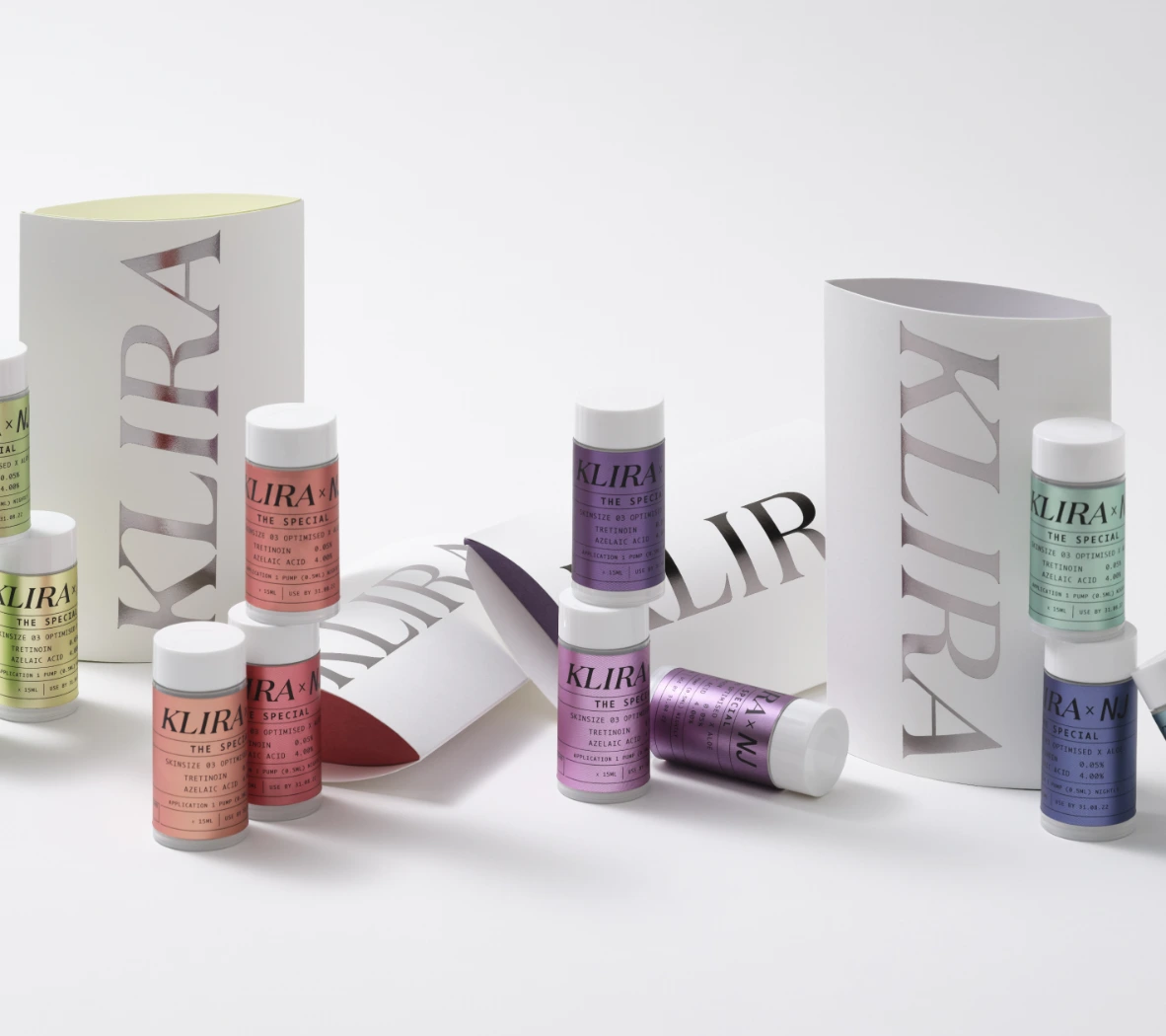
Some of the most effective skincare ingredients are prescription only. We supply prescription skincare through Klira, whose personalised formulations are built around tretinoin, a prescription-strength retinoid.
A consultation comes first, to confirm the treatment is suitable for you. Treatment usually starts at a low strength, with clear instructions on how to build up use while your skin adapts. Tretinoin should not be used during pregnancy or breastfeeding, and should not be applied to the eyelid skin; keep a fingernail-width gap above the lower lid.
You can read more in our article on the difference between tretinoin and retinol.
Risks and considerations
- Irritation: Active ingredients, particularly retinoids, can cause dryness, redness and peeling when first introduced. This usually settles as the skin adapts, and is managed by adjusting the strength and how often you apply it.
- Pregnancy and breastfeeding: Retinoids should not be used during pregnancy or while breastfeeding.
- Sun sensitivity: Some active ingredients increase the skin’s sensitivity to sunlight. Daily broad-spectrum sunscreen is essential.
- Eyelid skin: Retinoids should not be applied to the eyelids. The skin there is thin and easily irritated; keep a fingernail-width gap above the lower lid.
Frequently asked questions about skincare
What is the difference between medical-grade and shop-bought skincare?
Do I need a consultation first?
How long before I see results?
Can I use retinoids around my eyes?
Which sunscreen should I use?
Author

Dr. Katy Nassar, BDS, GDC 80528, is an Aesthetic Practitioner at Waterfront Private Hospital in Edinburgh. She graduated from the University of Glasgow Dental School in 2002 and worked in general dental practice for fifteen years before moving into facial aesthetics. In 2022, she completed a Master’s degree in Skin Ageing & Aesthetic Medicine at Manchester University, which she was awarded with distinction. Katy is dedicated to expanding the range of non-surgical procedures offered at Waterfront Private Hospital.
