Medical Microneedling
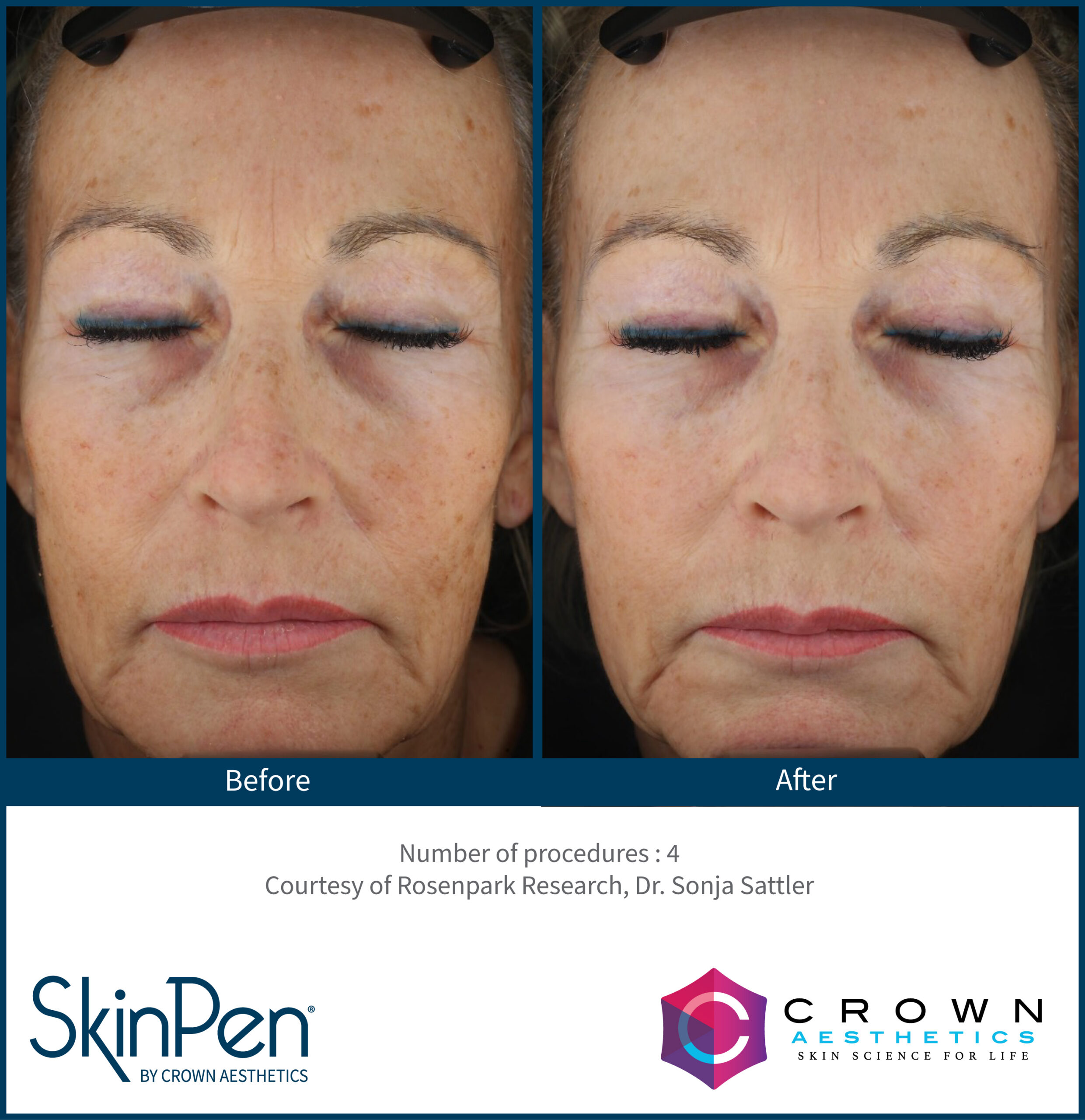
Microneedling, also referred to as collagen induction therapy, is a minimally invasive medical procedure used to improve skin quality and treat a range of skin conditions. It involves the controlled creation of micro-injuries in the skin using fine, sterile needles, stimulating a wound-healing response that leads to production of collagen.
We use SkinPen®, the world’s first FDA-cleared and CE-marked microneedling device.

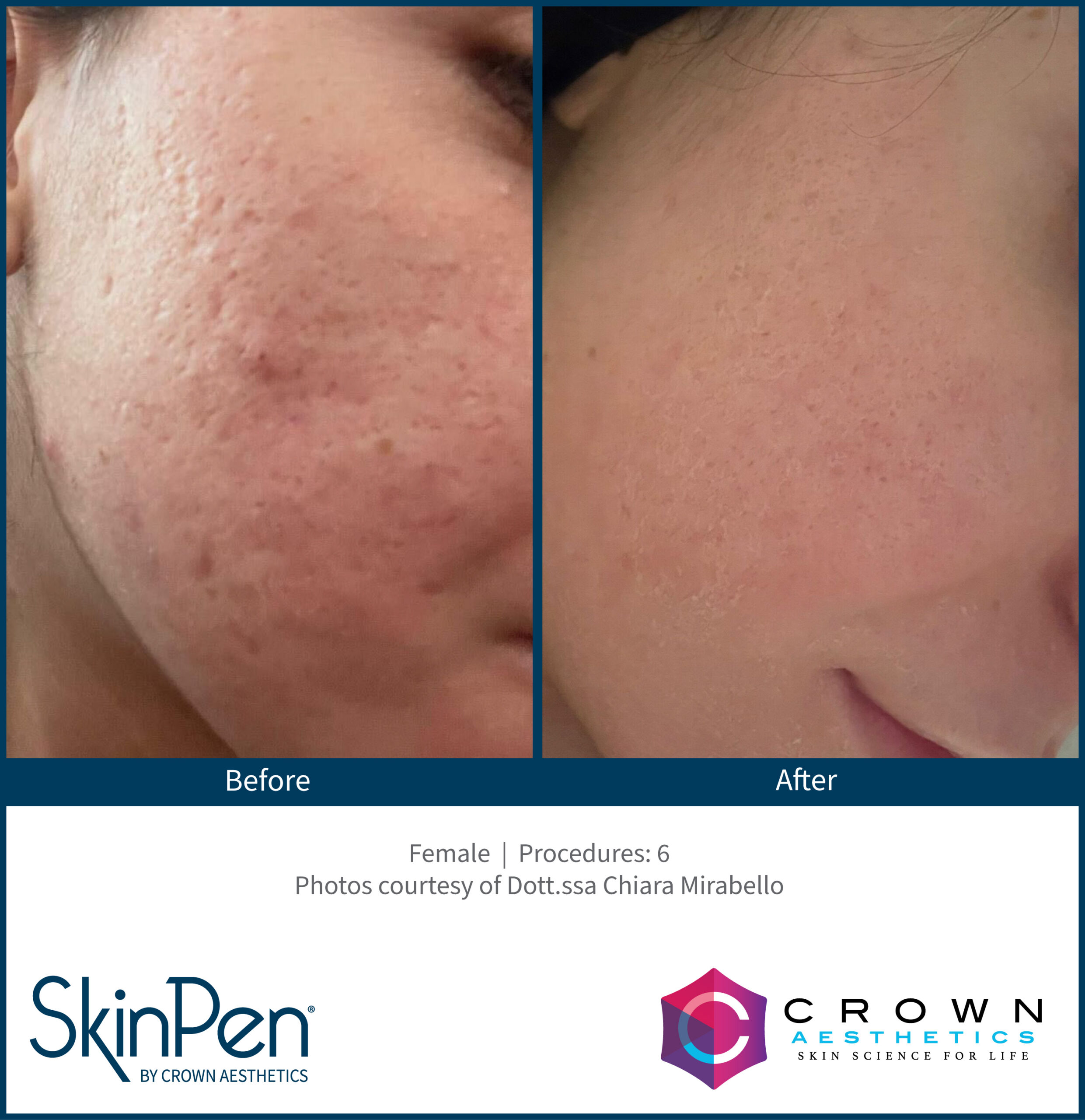
Acne scarring
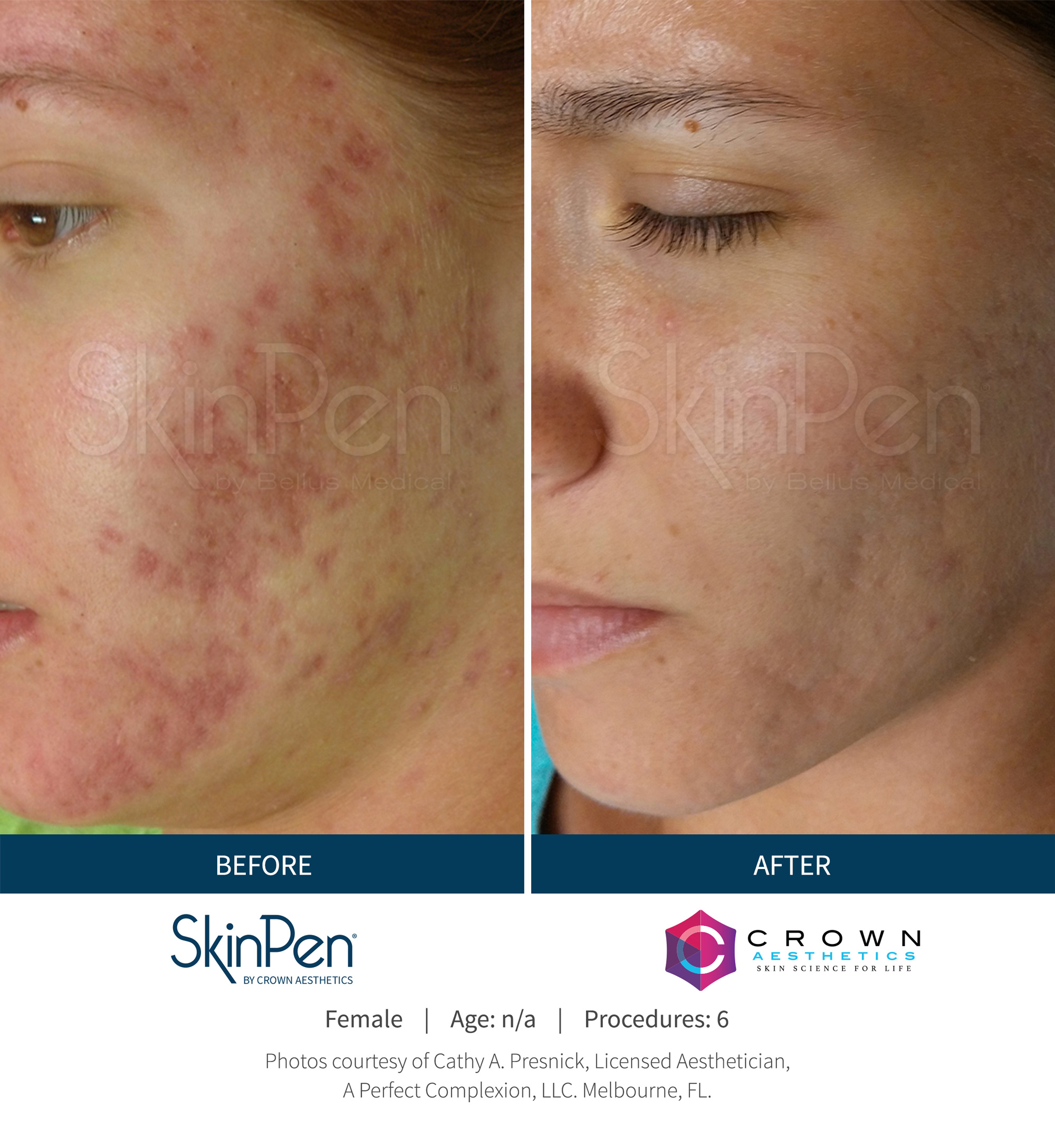
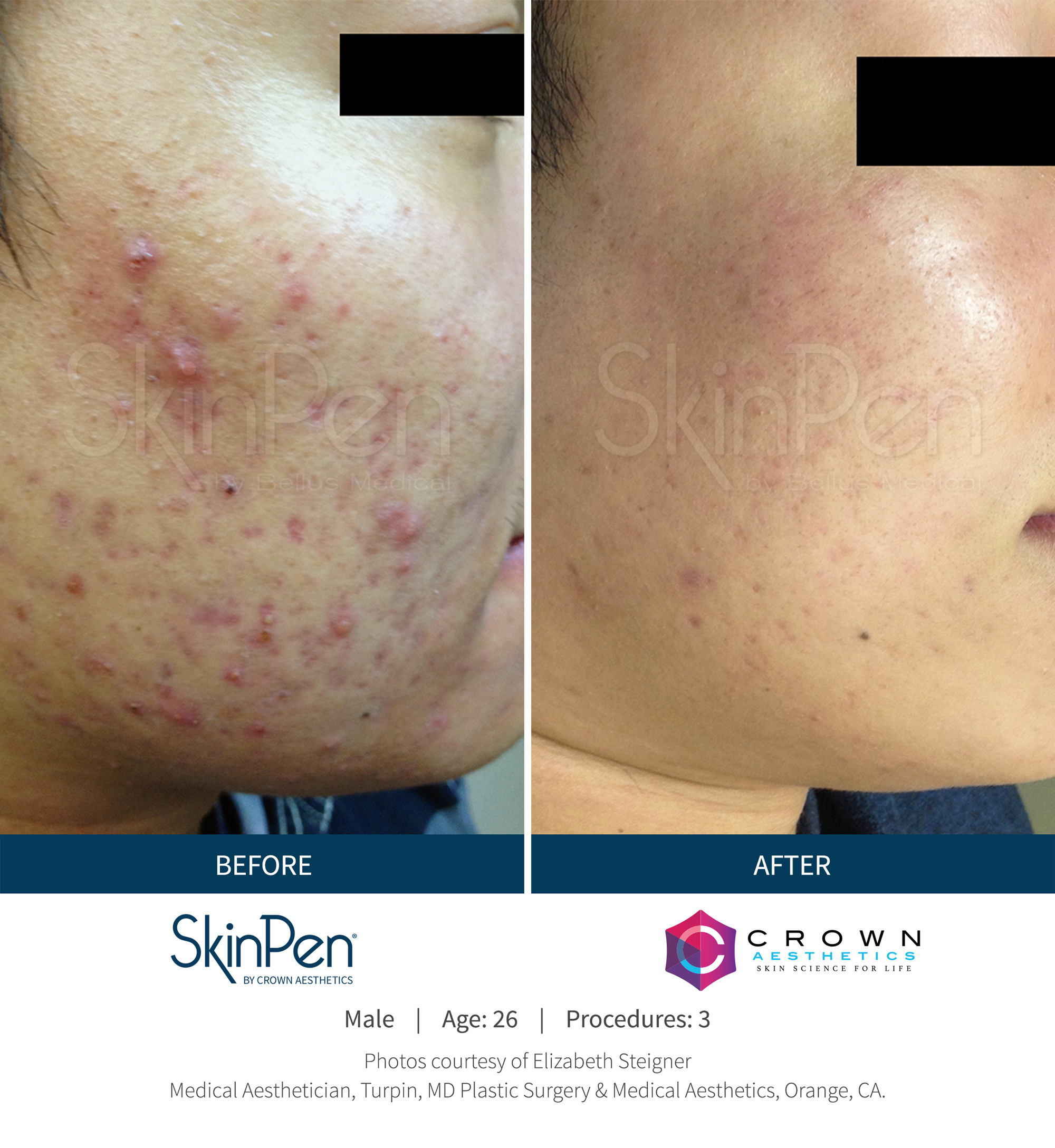
There is strong scientific evidence supporting microneedling for acne scars.
Studies have shown that microneedling can:
- Smooth and soften acne scars
- Improve overall skin texture
- Deliver noticeable results either on its own or combined with other treatments
In many cases, results are similar to laser treatments, but with some added benefits:
- Less downtime
- Lower risk of skin irritation or pigmentation changes
- Suitable for a wider range of skin types
Importantly, research shows that serious side effects are very rare.

Rejuvenation
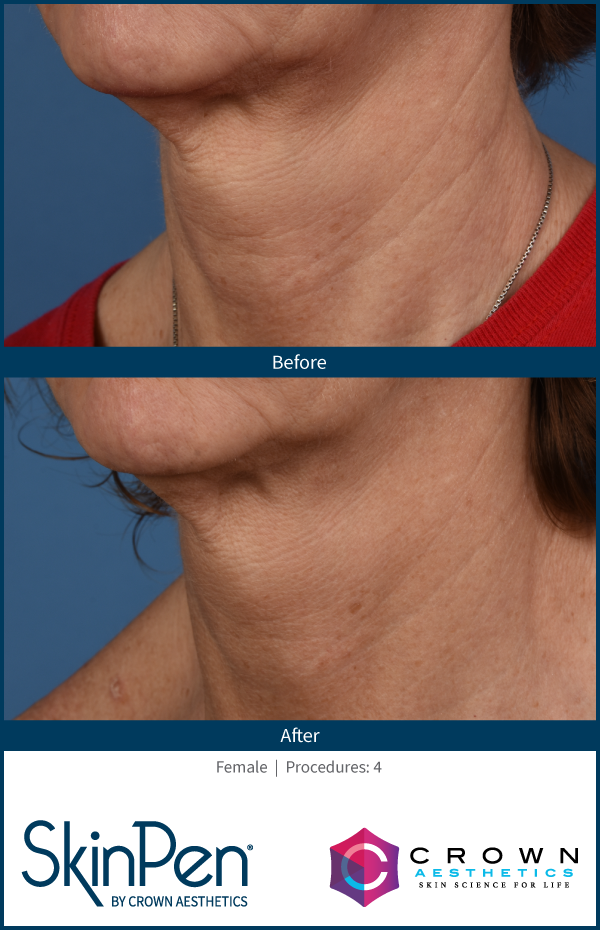
Microneedling is also effective for general skin rejuvenation, including:
- Fine lines and wrinkles
- Loss of firmness
- Dull or tired-looking skin
Studies have shown that a course of treatments can:
- Improve skin firmness and elasticity
- Increase skin thickness and strength
- Boost natural collagen levels
Most patients report high satisfaction, with around 8 out of 10 people happy with their results. Maintenance treatments are required following an initial course of treatment.


Hyperpigmentaion (age spots)
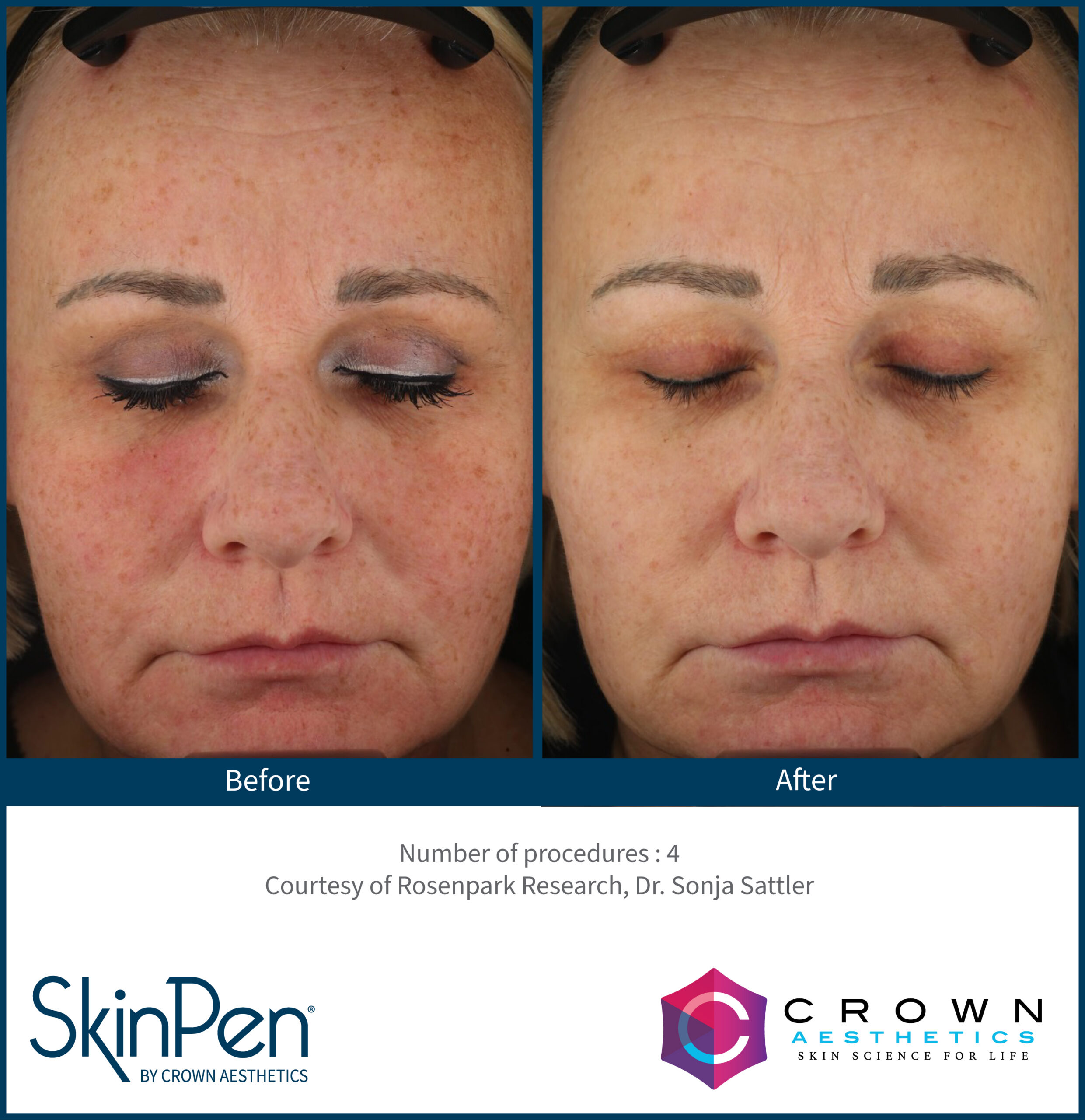
Microneedling can also help with uneven skin tone and pigmentation, particularly when combined with medical-grade skincare.
Research shows that:
- It enhances the effectiveness of topical treatments
- It can improve stubborn pigmentation over time
- Best results are usually seen after several weeks
On its own, microneedling is less powerful for pigmentation, but it works very well as part of a combined treatment plan.