Dermal Fillers in Edinburgh
Hyaluronic acid fillers subtly restore lost volume, soften deeper lines, and enhance natural features — rebalancing areas such as the lips, cheeks, chin and jawline as volume and structure change with age. The aim is always refined, understated results that enhance rather than change, tailored to your facial anatomy and goals.

Contents
Overview
- PROCEDURE: Hyaluronic acid dermal fillers
- KEY INGREDIENTS: Hyaluronic acid
- TREATMENT AREAS: Cheeks, Lips, Temple, Jawline, Marionette Lines, Nasolabial Folds
- IDEAL FOR: Restoring lost volume, softening deep lines,creating facial definition
- PRODUCTS USED: Various premium brands, including Teoxane and Juvederm
- SUITABILITY: Broad patient range. Not suitable for pregnant or breastfeeding women or patients with certain medical conditions
- PROCEDURE TIME: Typically 20-60 minutes

What the procedure involves
- Consultation: An initial discussion to determine patient concerns, review medical history and discuss the benefits and risks of treatment.
- Types of Fillers: Use of HA fillers due to their natural occurrence in the body and role in hydration.
- Application Areas: Commonly injected into the cheeks, lips, temple, and jawline for volume and definition and to soften lines and wrinkles.
- Procedure Process: Cleansing the skin, followed by strategic filler injections, often containing a local anaesthetic for comfort.
- Immediate Visibility: The fillers’ effects are visible immediately, with post-procedure swelling subsiding in a few days.
Benefits and expected outcomes
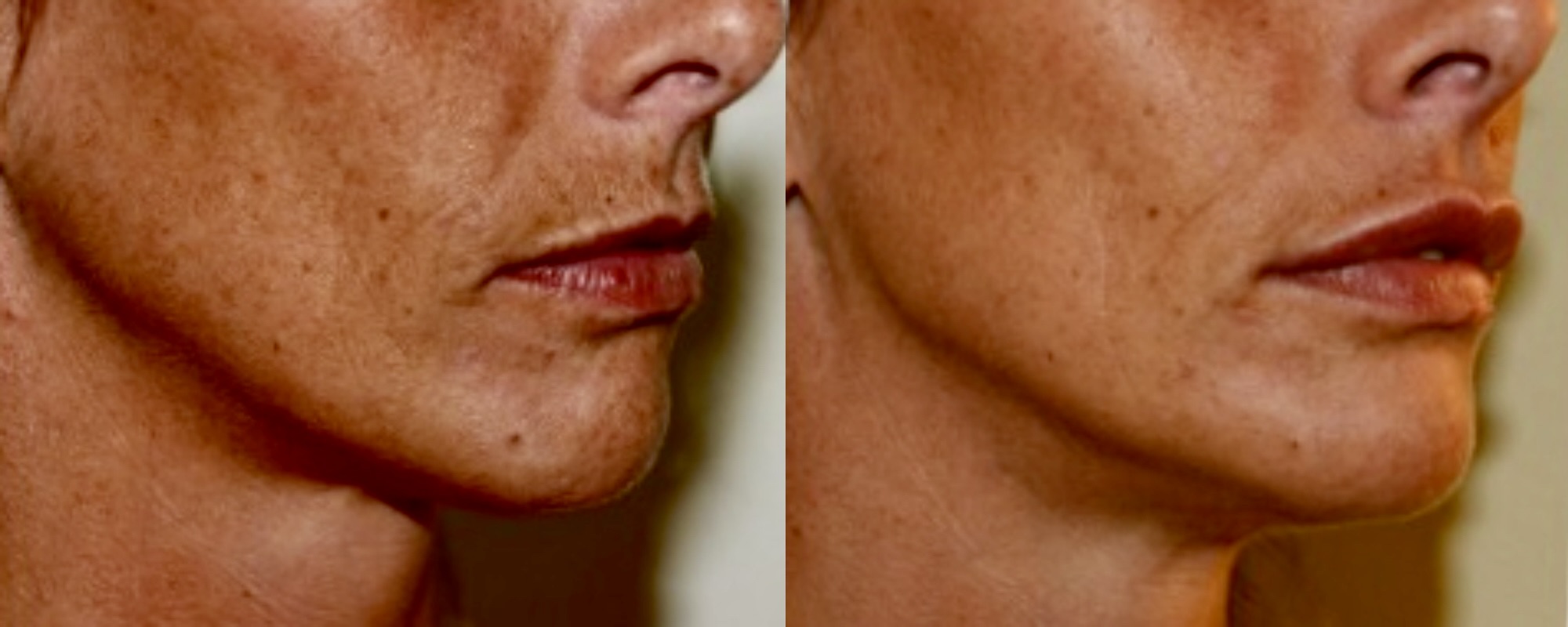
- Volume Restoration and Definition: Enhances cheeks, lips, and other facial areas.
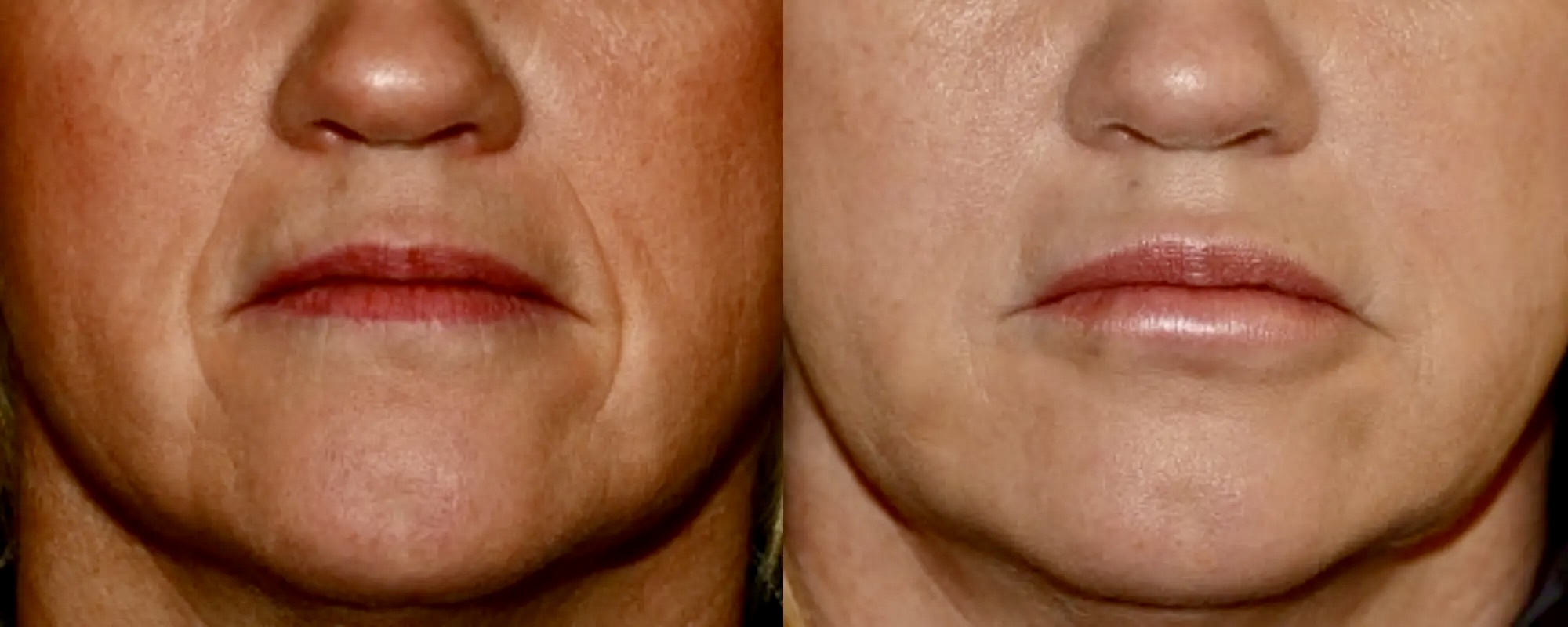
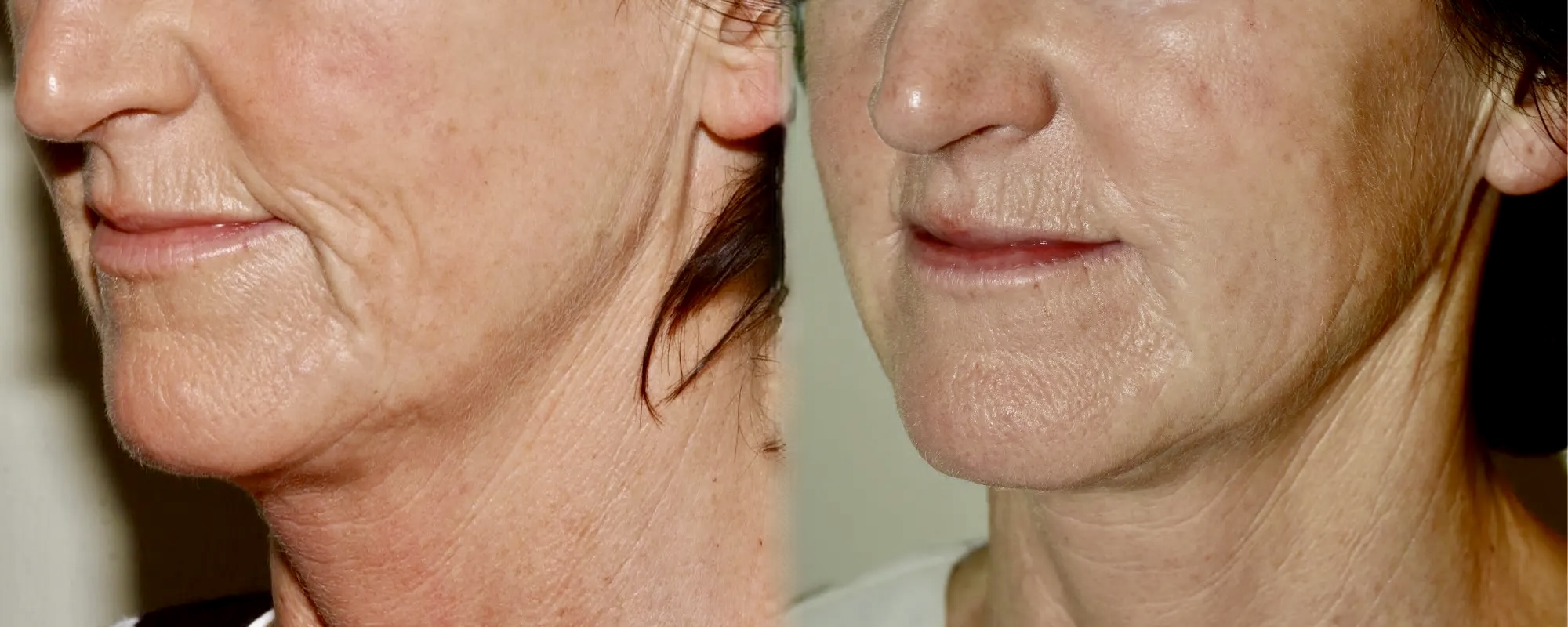
- Wrinkle Reduction: Softens marionette lines and mouth lines.
- Versatile Use: Can improve the shape of the nose and chin.
- Longevity: Effects last between 9-24 months, depending on the treatment area and product used.
Before and after dermal fillers
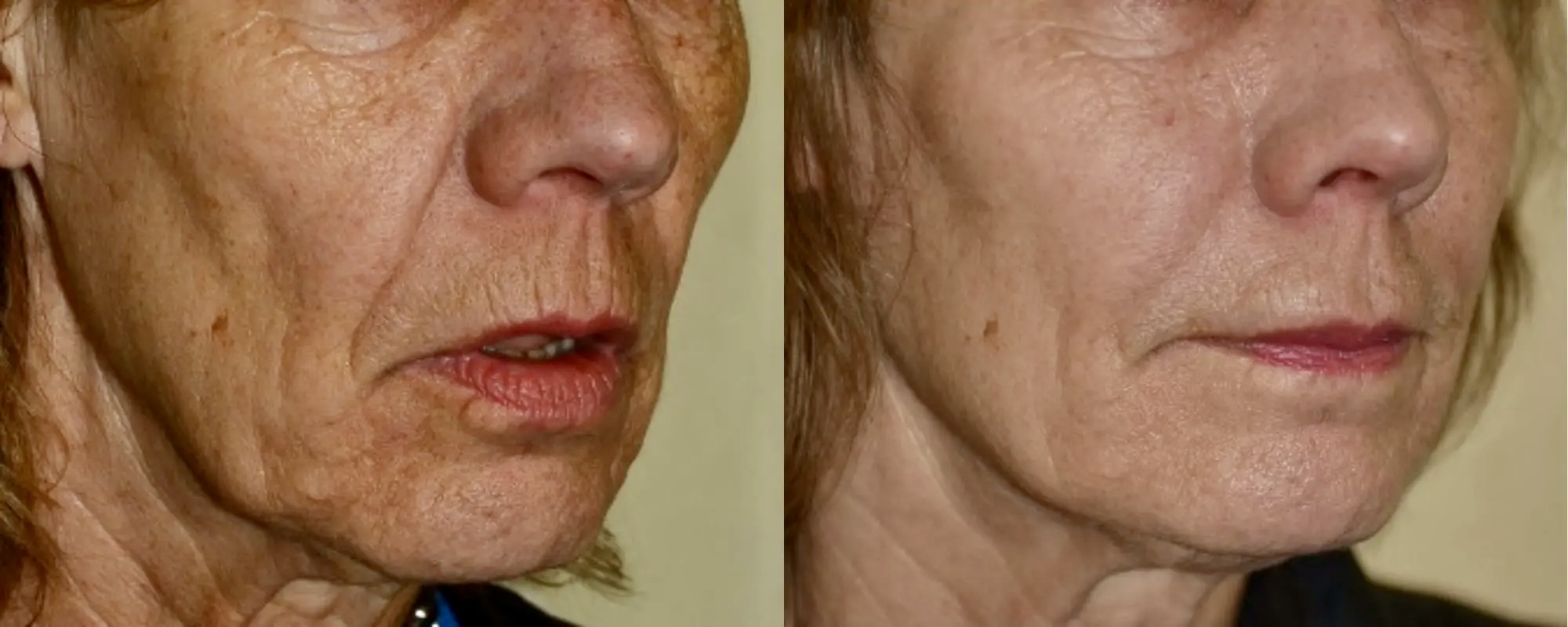
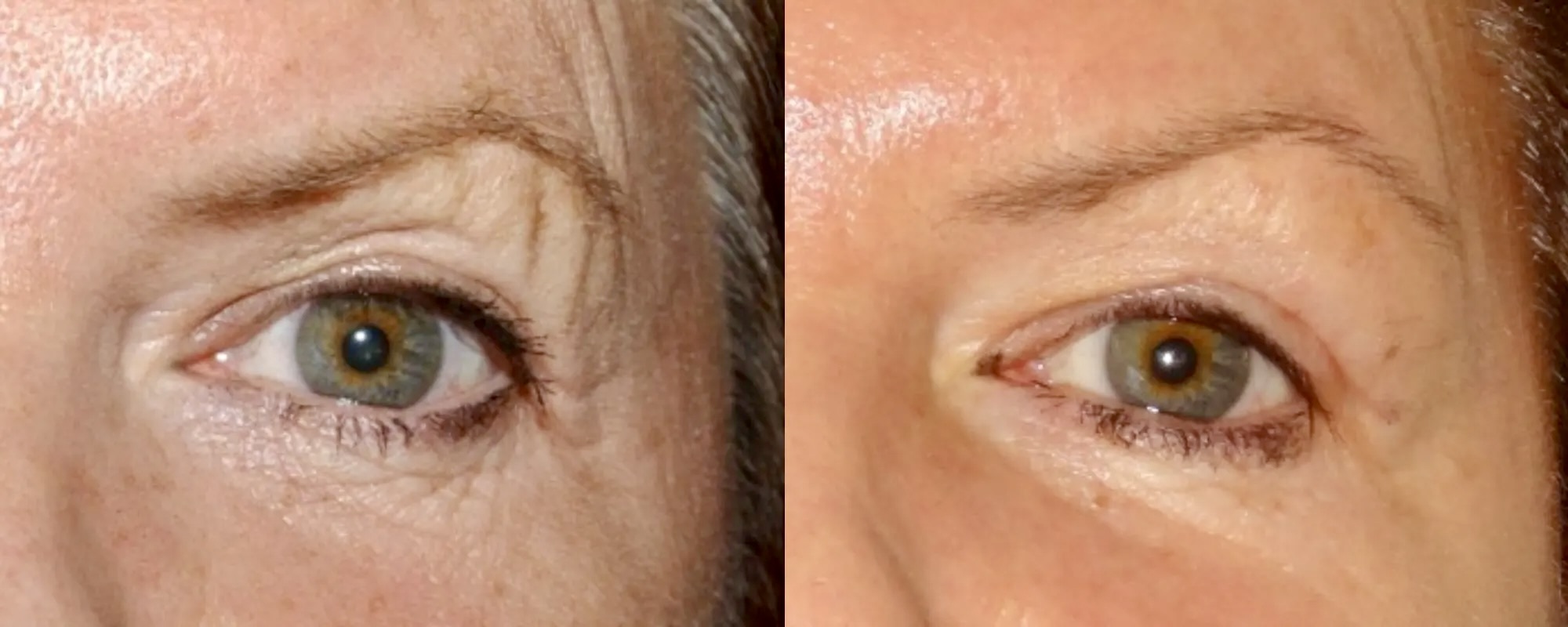
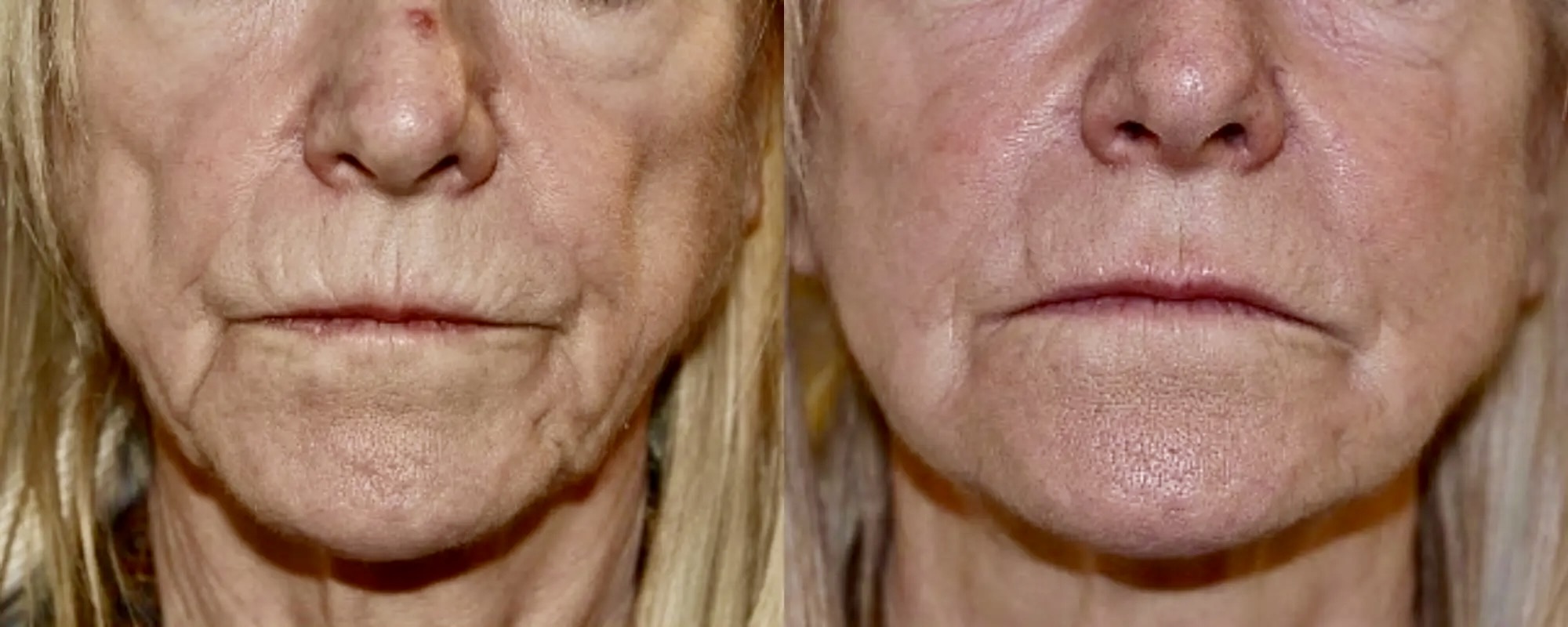
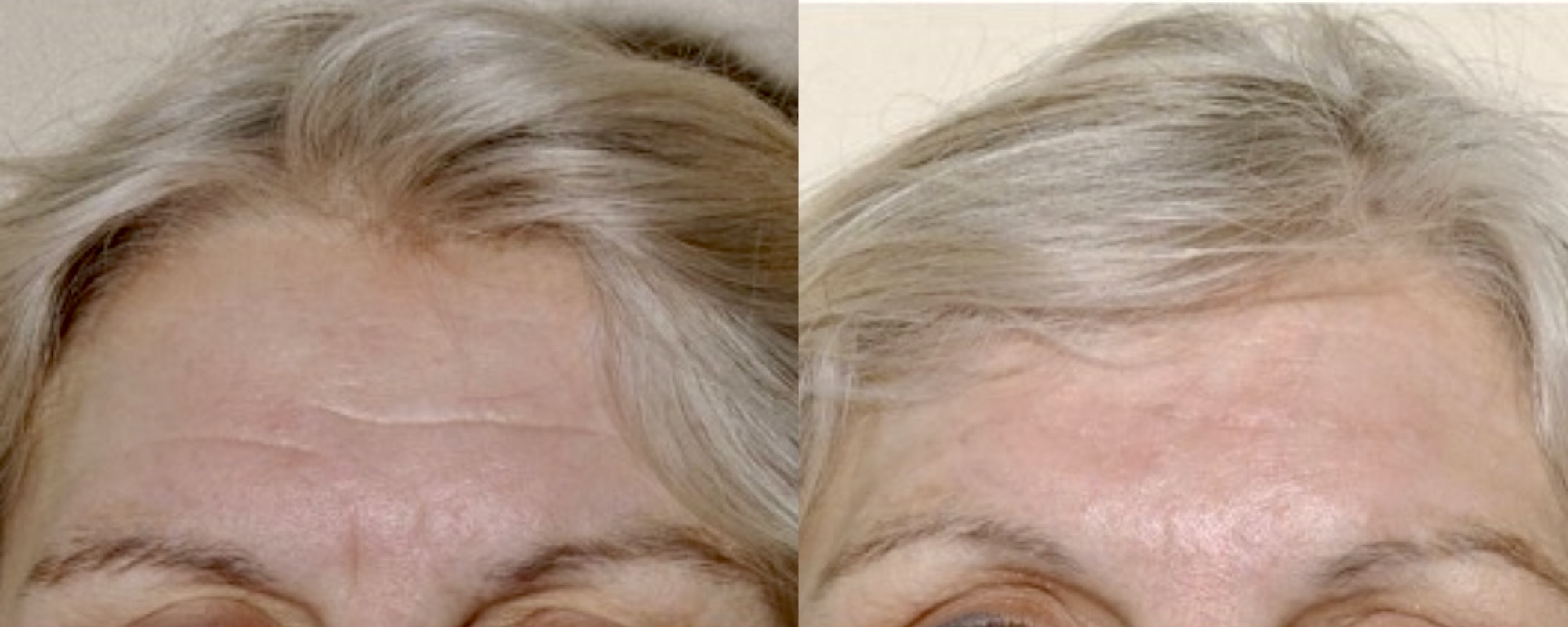

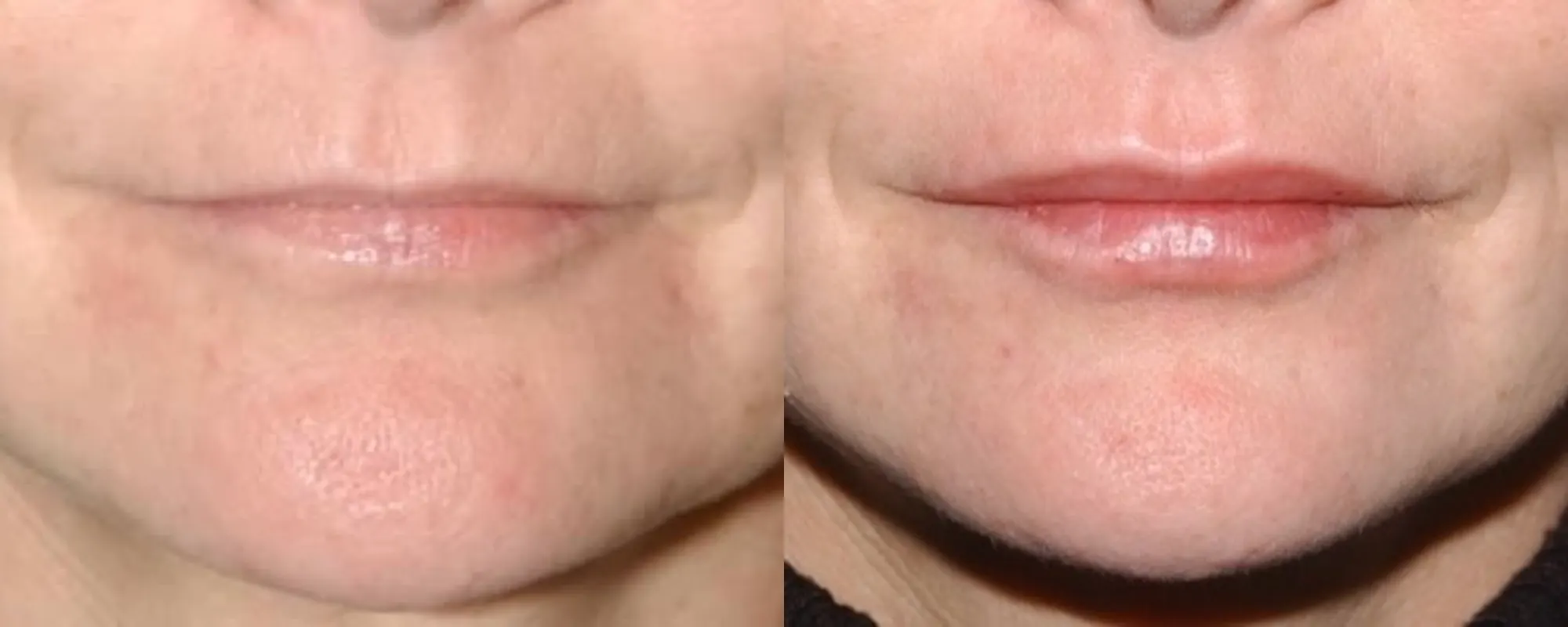
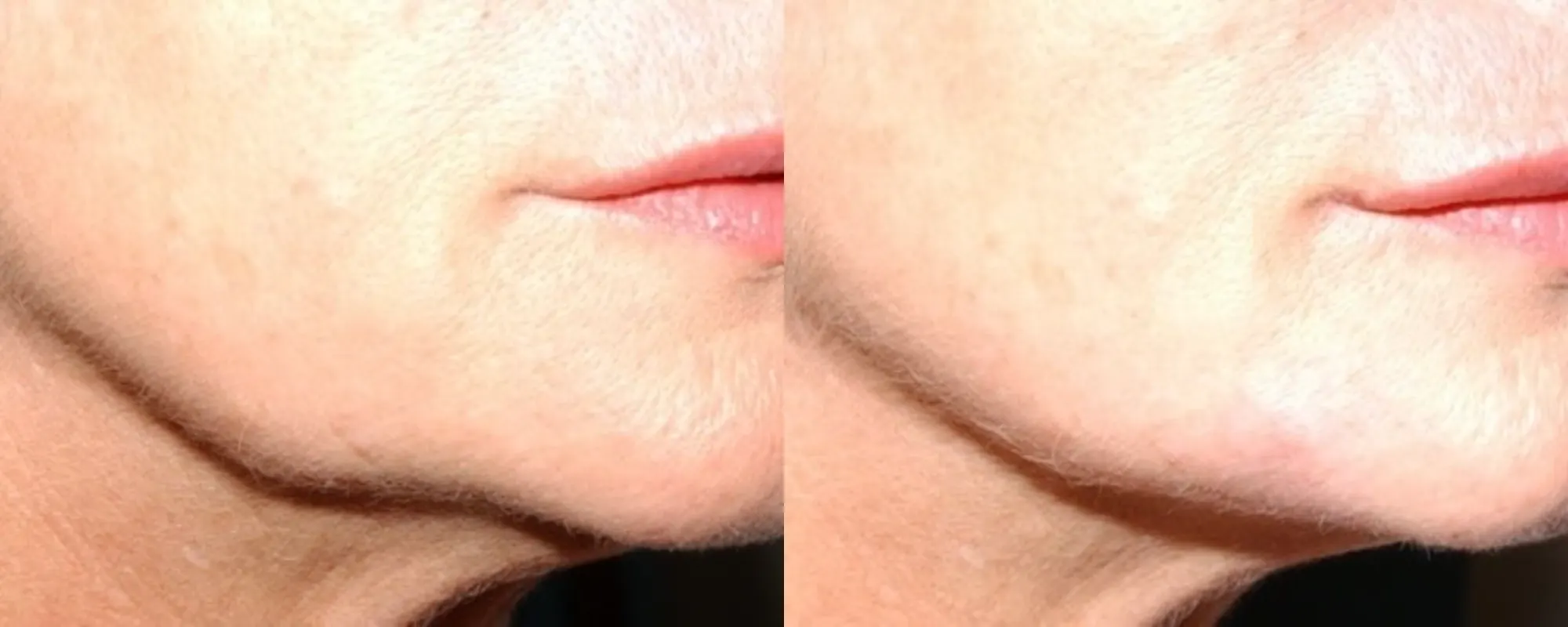
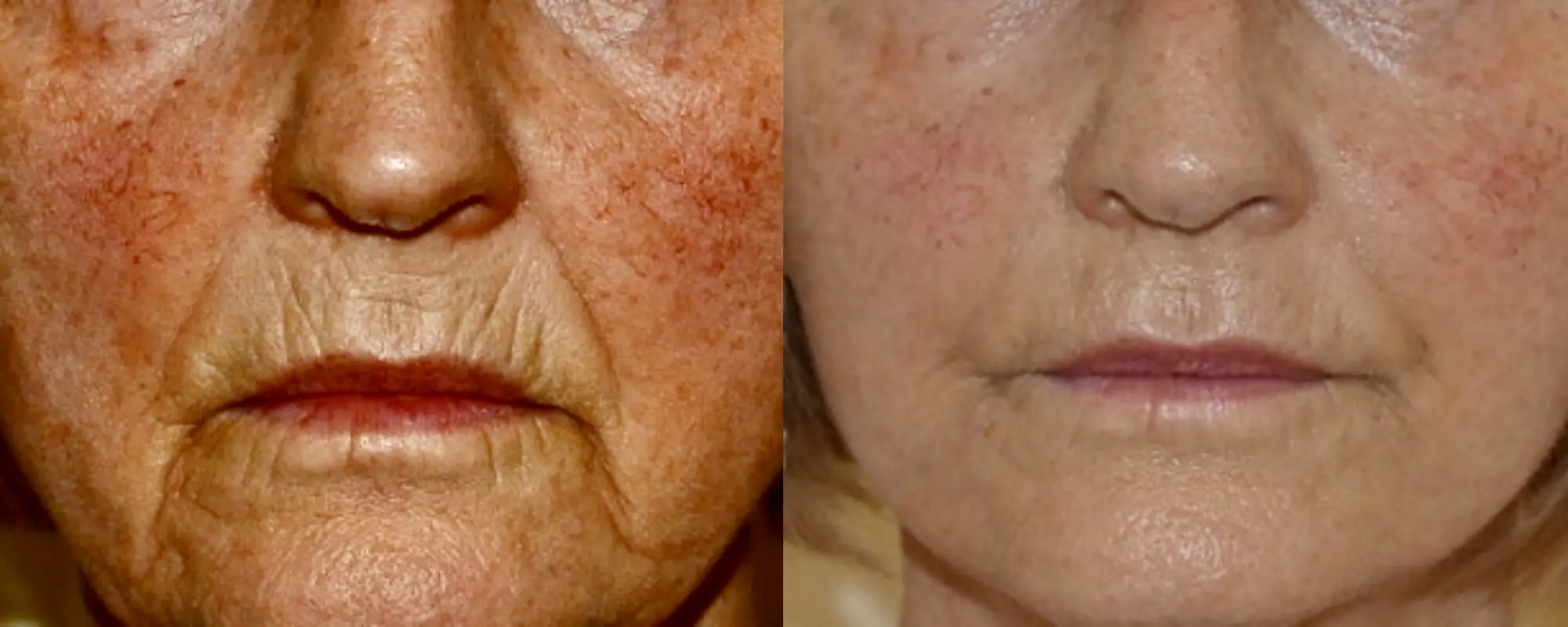
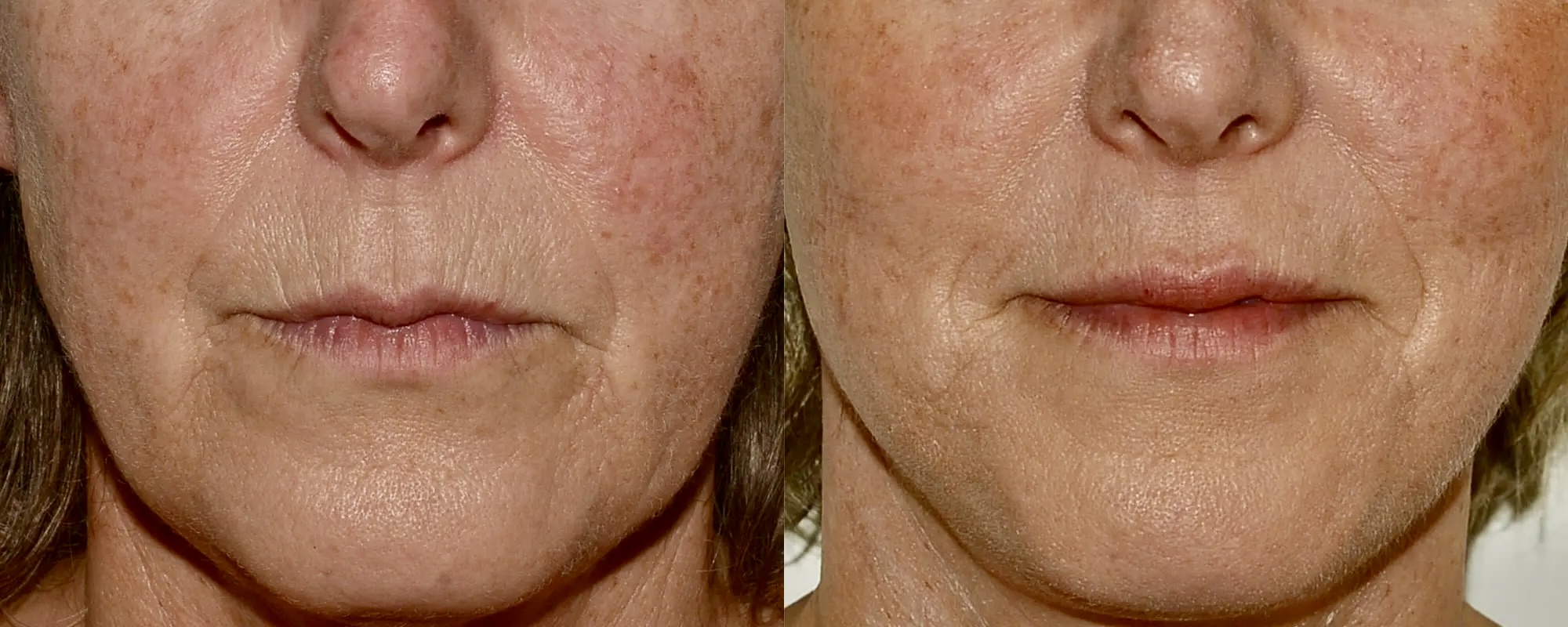


Ideal candidates
- Broad Suitability: Safe for a wide range of patients, excluding those pregnant, breastfeeding, or with certain medical conditions.
- Medical Review: A thorough consultation to ensure suitability and discuss potential effects.
Risks and Considerations
Excellent Safety Profile
- Widespread Use: Hyaluronic acid (HA) fillers are globally recognized for their safety, used in millions of treatments annually.
- Professional Administration: Their safety is maximized when administered by medically trained professionals who are knowledgeable about facial anatomy and can effectively manage any complications.
Common Side Effects
- Immediate Reactions: Post-treatment, patients may experience redness, swelling, bruising, and pain at injection sites.
- Typical Resolution: These effects are generally mild and should resolve within a week.
Serious Side Effects and Complications
- Rarity: Though serious side effects are rare, they can occur.
- In-Depth Consultation: All potential risks and serious complications will be thoroughly discussed during your consultation and outlined in a provided informational leaflet.
- Informed Decision: Understanding these potential risks is crucial for patients to make an informed decision about the treatment.
Emphasis on Safety and Informed Consent
- At Waterfront Private Hospital, we prioritize patient safety and informed consent. Our specialists ensure that patients are fully aware of both the benefits and the potential risks associated with dermal filler treatments.
Aftercare and recovery
Following treatment, you should avoid touching your face and wash your hands regularly to reduce the risk of infection. You should also avoid rubbing or massaging your face as this could affect the results of your treatment.
You should also avoid applying make-up for at least 12 hours and avoid vigorous exercise and exposure to temperature extremes until the swelling has resolved.
Within two weeks of receiving treatment, you should avoid other facial procedures, including facials, chemical peels, massage and laser treatments. You should also avoid routine dental treatment during this period.

Frequently Asked Questions About Hyaluronic Acid Fillers
What Are Hyaluronic Acid Fillers?
Where Can HA Fillers Be Applied?
Who Is Suitable for HA Filler Treatments?
Are HA Fillers Safe?
How Long Do the Effects of HA Fillers Last?
Is the Treatment Immediate and Painful?
What Should I Expect in Terms of Aftercare?
Can HA Fillers Be Removed?
What Are the Common Side Effects?
How Do HA Fillers Differ from Other Cosmetic Treatments?
How Do HA Fillers Compare to botulinum toxin and Other Neurotoxins?
Can HA Fillers Be Combined with Other Cosmetic Procedures?
What Precautions Should Be Taken Before Treatment?
How Do Lifestyle and Age Affect the Results of HA Fillers?
Are There Any Dietary Restrictions Post-Treatment?
Is There an Ideal Age to Start Using HA Fillers?
Authors

Dr. Katy Nassar, BDS, GDC 80528, is an Aesthetic Practitioner at Waterfront Private Hospital in Edinburgh. She graduated from the University of Glasgow Dental School in 2002 and worked in general dental practice for fifteen years before moving into facial aesthetics. In 2022, she completed a Master’s degree in Skin Ageing & Aesthetic Medicine at Manchester University, which she was awarded with distinction. Katy is dedicated to expanding the range of non-surgical procedures offered at Waterfront Private Hospital.

Mr Awf Quaba, MB ChB, FRCS, GMC 3034912, is a Consultant Plastic Surgeon with over 35 years of experience and a co-founder of Waterfront Private Hospital in Edinburgh. He specialises in cosmetic facial and breast surgery, has published over 60 papers in peer-reviewed journals, and is a full member of BAAPS.
