Breast Implant Removal in Edinburgh
Breast implant removal is rarely a quick decision. Most patients reach it after years of considering implant age, BII symptoms, or wanting to return to their natural shape. The conversation that matters most is an honest, evidence-led one about what is actually needed in your case — simple removal, removal with uplift, replacement with fat transfer, or addressing a specific complication.

Contents
Overview
Breast implant removal
- TYPE OF ANAESTHETIC
General - LENGTH OF SURGERY
1-4 Hours (depending on complexity) - HOSPITAL STAY
Day surgery - RECOVERY
1-2 weeks off work, 6 weeks before strenuous exercise

Why Consider Breast Implant Removal?
There are many reasons women may decide to remove their breast implants, including:
Lifestyle and Aesthetic Preferences
•Desire to return to a more natural shape after years with implants in place.
•Preference to simplify their lifestyle without the need for implant maintenance.
Health Concerns
•Breast Implant Illness (BII): A collection of symptoms some women associate with implants (discussed below).
•Discomfort caused by implant weight or positioning, leading to back pain, chest tightness, or physical strain.
Complications
•Capsular contracture: Hardening of the scar tissue around the implant.
•Implant rupture or leakage.
•Malposition, rippling, or asymmetry.
Ageing Implants
•Implants often require replacement or removal after 10-15 years.
•Prevention of future complications as implants age.
Surgical Options After Breast Implant Removal
1. Simple Implant Removal
•Removes implants through the original incision.
•Suitable for women with minimal sagging or volume loss.
2. Implant Removal with Breast Lift (Mastopexy)
•Addresses sagging and excess skin after implant removal.
•Tightens the skin envelope after implant removal and repositions the nipple-areola complex.
3. Implant Removal with Fat Transfer
•Liposuction harvests fat from other areas of the body, which is purified and injected into the breasts.
•Provides natural volume enhancement without implants.
4. Auto-Augmentation Techniques
•Repositions your natural breast tissue to fill the space left by the implant.
•Enhances shape and fullness naturally.
•Usually performed as part of a breast uplift procedure
5. En Bloc Capsulectomy
•Removes the implant and scar capsule as one unit.
•Typically performed in severe capsular contracture, implant rupture, or significant health concerns.
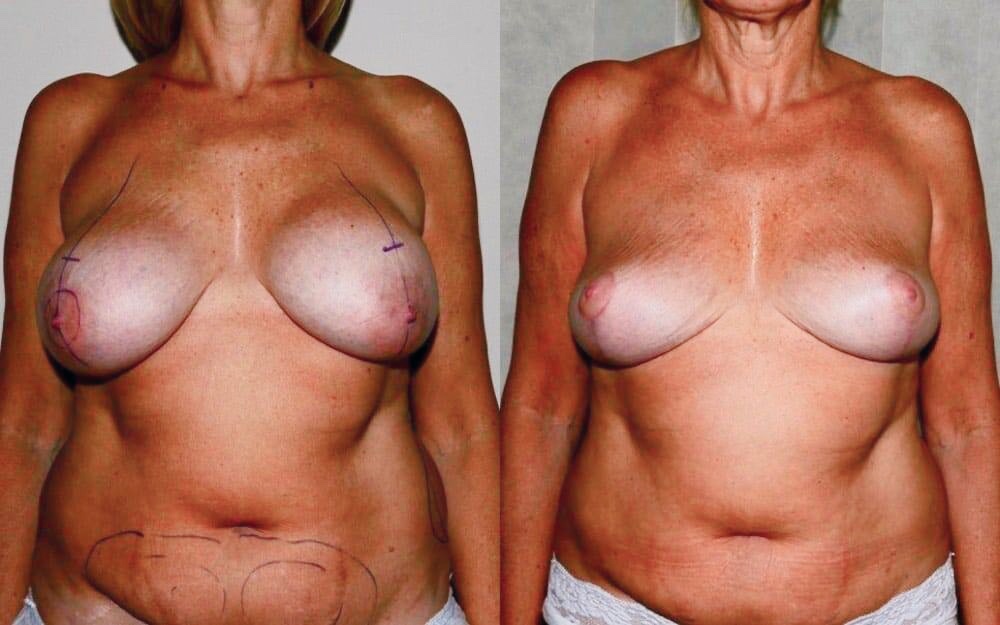
Breast Implant Removal Before and Afters
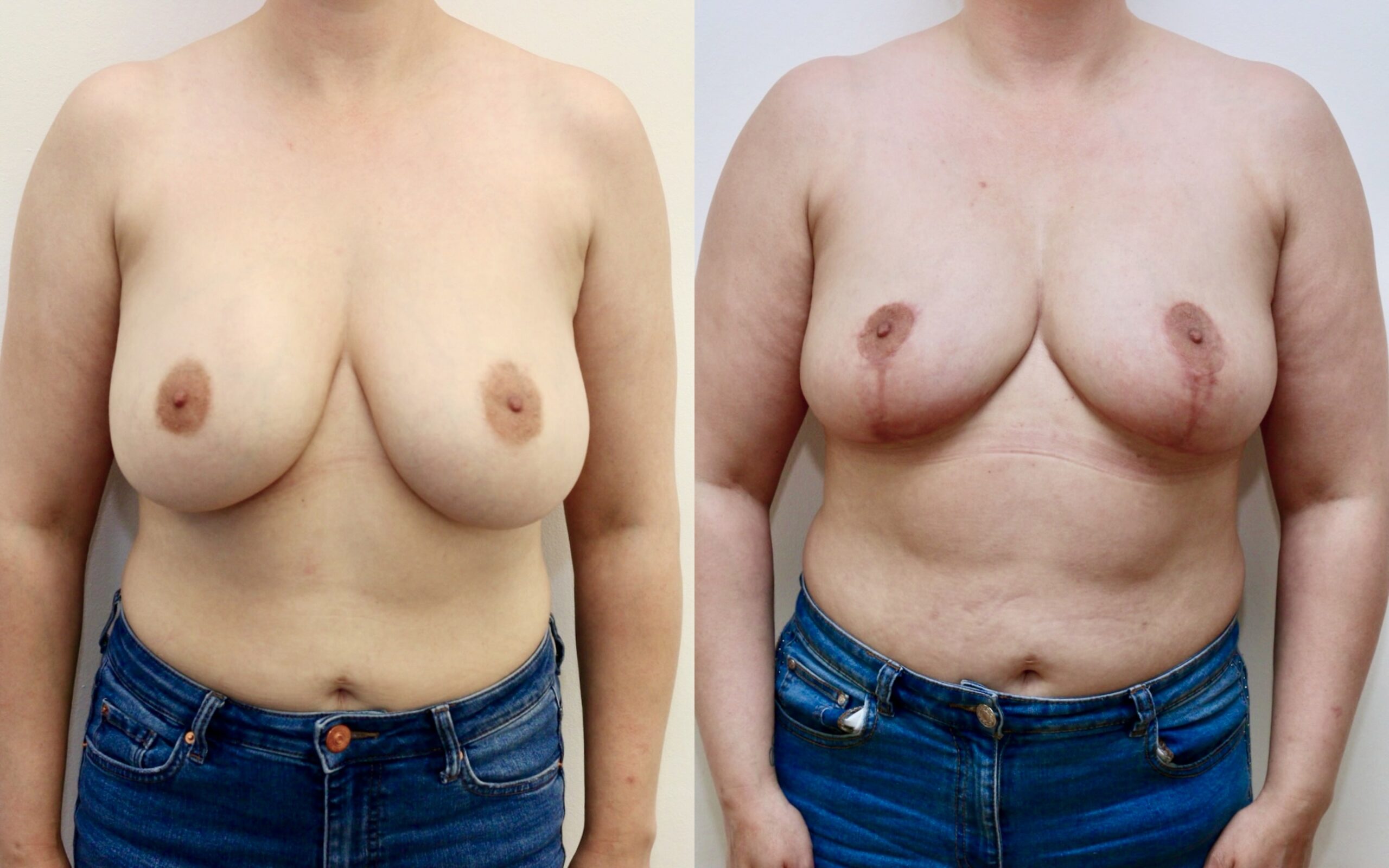
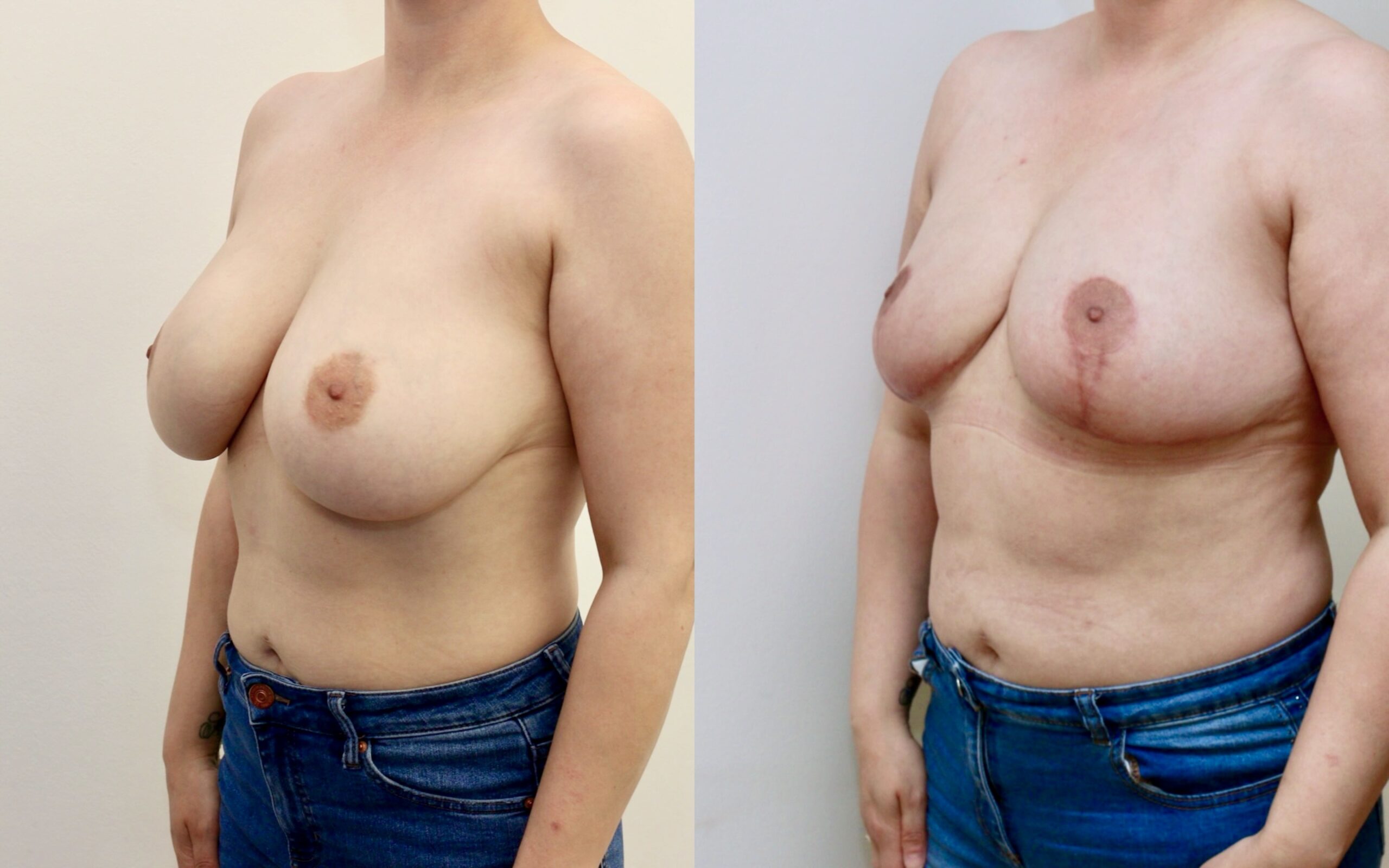
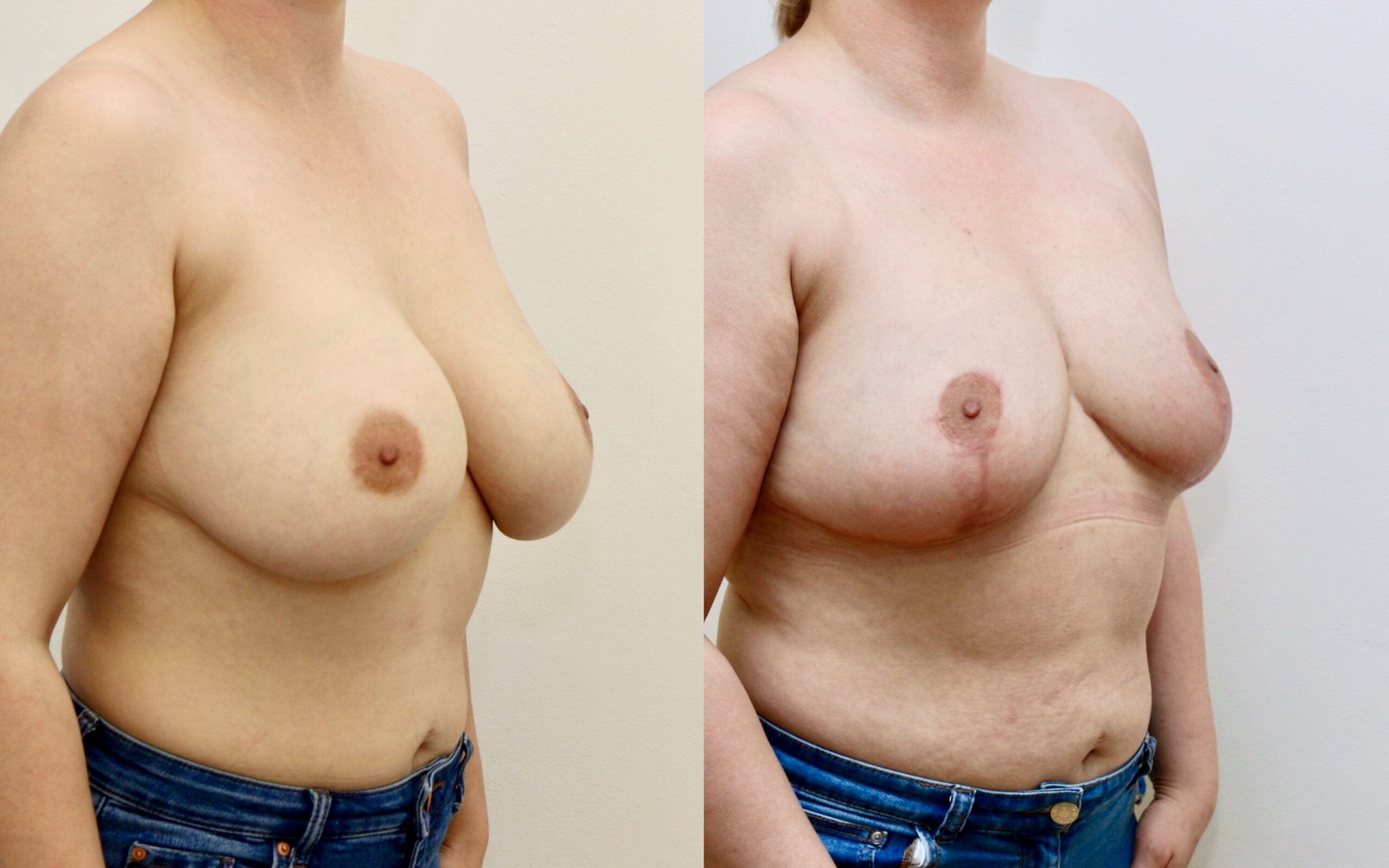
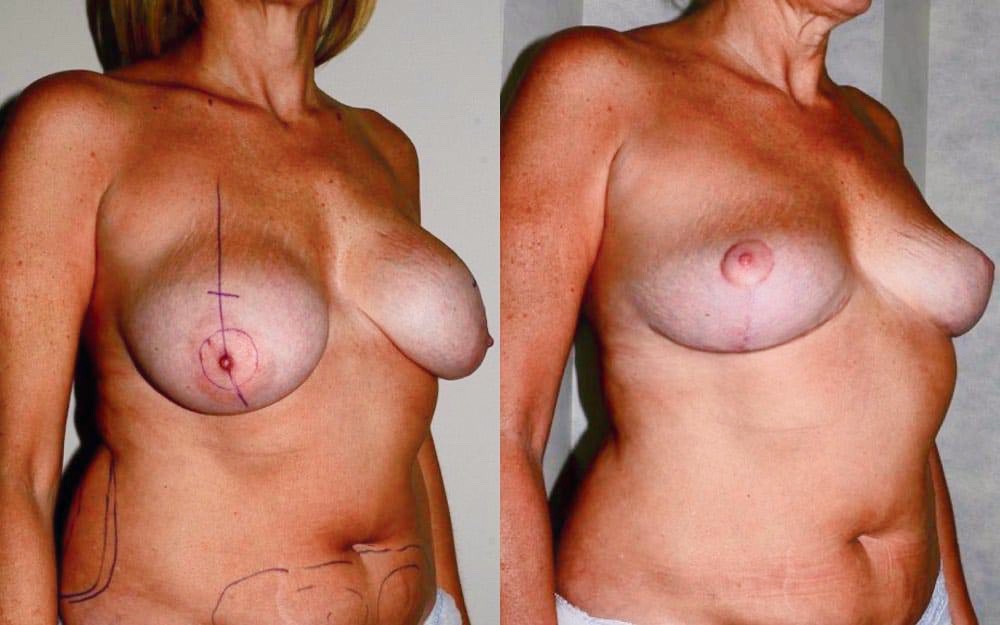
What Is Breast Implant Illness (BII)?
What Is Breast Implant Illness (BII)?
Breast Implant Illness (BII) refers to a collection of symptoms that some women associate with their breast implants. These symptoms vary widely and may include fatigue, joint pain, brain fog, or mood changes. While BII is not currently recognised as an official medical diagnosis, it has become a topic of interest due to patient-reported symptom improvement after implant removal.
Symptoms Commonly Associated with BII
•Chronic fatigue
•Joint and muscle pain
•Cognitive difficulties, such as brain fog or memory loss
•Skin issues, including dryness or rashes
•Anxiety, depression, or mood changes
What Does the Evidence Say About BII?
The exact cause of BII remains unclear, and evidence supporting its existence is still limited. Current research has not conclusively linked breast implants to systemic health conditions, and many symptoms reported under the BII umbrella are also common in the general population.
Does Removing Implants Help with BII Symptoms?
Studies have shown that a significant proportion of women report symptom relief after implant removal, but this relief is likely multifactorial and not necessarily related to removing the implants themselves. Importantly:
•Capsule Removal: Recent studies indicate no difference in symptom relief whether the surrounding capsule is removed or left in place. This challenges the necessity of routine capsulectomy for women seeking symptom improvement.
•Psychological Factors: Relief may stem from the psychological benefit of addressing patient concerns rather than a direct causal link between implants and symptoms.
How we approach BII at Waterfront
BII concerns are taken seriously and assessed honestly at consultation. The conversation covers your symptoms in detail, your medical history, what the current evidence does and does not support, and the practical question of whether removal is likely to help — including the question of whether the capsule needs to come out (in most cases, it does not).
Where surgery is the right step, your consultant will discuss the options with you — simple removal, removal with uplift, removal with fat transfer, or en bloc capsulectomy where clinically indicated — and recommend what fits your case. Where surgery is unlikely to help, we will say so honestly.
Benefits of Breast Implant Removal
Breast implant removal can address:
- Discomfort caused by implant weight or position — back pain, chest tightness, neck or shoulder strain that often improves with the implants out
- Symptoms a patient associates with their implants (sometimes referred to as Breast Implant Illness — see the dedicated section above)
- Capsular contracture, rupture, malposition or rippling of an existing implant
- The simple wish to return to your natural shape after years with implants in place
- Implant age — most manufacturers suggest considering replacement or removal after 10–15 years
What it does not always achieve: the same shape you had before your original surgery. Skin and tissue change with time, weight, pregnancy and the presence of an implant; depending on how long the implants have been in place and how large they were, removal alone may leave the breast looking emptier than expected. This is why removal is often combined with an uplift or fat transfer in the same operation.
On Breast Implant Illness specifically: removal does not reliably resolve symptoms in every patient, but the majority — around 80% in the most recent systematic review — report at least some symptom improvement after explant, with fatigue, joint pain and muscle pain among the most commonly improved. Symptom improvement is independent of whether the surrounding capsule is removed. Your consultant will be honest at the consultation about what removal can and cannot reliably do for your symptoms.
Removal also stops the cycle of monitoring scans, future maintenance, and potential replacement surgeries that come with keeping implants in place.
Risks and considerations
Breast implant removal is generally safe in experienced hands, but it carries a defined set of risks that any patient should understand before deciding to go ahead. These include:
- Infection: as with any surgical procedure, there is a small risk of infection at the incision sites, usually managed with antibiotics and appropriate wound care.
- Bleeding and haematoma: bleeding can occur during or after surgery; a collection of blood beneath the skin (haematoma) may develop and occasionally requires drainage.
- Scarring: removal is usually performed through the original incision, so no new scar is added; the existing scar may need revision in some cases.
- Skin laxity and shape change: after the implant is removed, the surrounding tissue does not always return to its original shape. The result depends on implant size, how long the implants have been in place, skin elasticity, and whether a lift or fat transfer is performed at the same time.
- Asymmetry: minor differences in shape between the two sides can occur after removal, especially without a concurrent uplift.
- Changes in nipple or skin sensation: temporary or, less commonly, permanent changes in sensation can occur.
- Need for additional surgery: in some cases a second procedure is needed — for example, if the result is unsatisfactory or if a capsule complication develops later.
- Anaesthesia risks: general anaesthesia carries inherent risks; all anaesthetists involved in surgery at Waterfront are consultants in their own right.
Your consultant will go through the risks specific to your case in detail at consultation — including the trade-offs of removing the capsule versus leaving it in place, and the question of whether to combine removal with an uplift or fat transfer in the same operation.
Aftercare and recovery
Recovery from breast implant removal depends on what is done at the same time — simple removal, removal with uplift, removal with fat transfer, or en bloc capsulectomy. Your consultant will give you a tailored timeline before surgery.
As a general guide, most patients take one to two weeks off work, avoid strenuous upper-body exercise for six weeks, and wear a support bra continuously for the first six weeks. Bruising and swelling are at their most noticeable in the first ten days and continue to settle over the following month. Final shape takes three to six months to settle fully as the tissues continue to refine.
Throughout your recovery, your consultant remains personally involved. If anything concerns you between scheduled appointments, your consultant will respond directly and arrange to see you as often as needed until things are settled. There is no generic aftercare team between you and your surgeon.
What is the cost of breast implant removal?
Cost depends on what is done at the same time as the removal. Guide prices at Waterfront Private Hospital:
- Simple breast implant removal: from £5,300 (depending on complexity)
- Removal with breast uplift (mastopexy): from £10,000
- En bloc removal with uplift (implant and capsule removed as a single unit, with uplift): from £13,500
Where appropriate, removal may also be combined with fat transfer to restore volume; this is quoted individually after consultation. Each price covers the surgeon’s fee, the anaesthetist’s fee, the hospital and theatre fee, and all post-operative reviews until you are fully discharged.
The full price for your individual case can only be confirmed after a face-to-face consultation with the consultant who will perform your surgery, as the operation is tailored to what your case actually needs. Our consultation fee with a consultant plastic surgeon is £200.
Frequently Asked Questions
Will the same surgeon plan, perform and review my breast implant removal?
Should I have my implants removed if I have no symptoms?
What will my breasts look like after implant removal?
Do I need to remove the capsule when removing my breast implants?
Can I avoid sagging after breast implant removal?
Is it possible to replace my implants with fat transfer instead?
Will my symptoms of Breast Implant Illness (BII) go away after removal?
Can breast implant removal improve my posture or relieve back pain?
Is breast implant removal painful?
What happens if I have concerns after my surgery?
Authors

Mr Awf Quaba, MB ChB, FRCS, GMC 3034912, is a Consultant Plastic Surgeon with over 35 years of experience and a co-founder of Waterfront Private Hospital in Edinburgh. He specialises in cosmetic facial and breast surgery, has published over 60 papers in peer-reviewed journals, and is a full member of BAAPS.

Mr Omar Quaba, MBBChir, FRCS (Plast), GMC 4586300, is a Consultant Plastic Surgeon with over 20 years of experience in plastic surgery. Based at Waterfront Private Hospital in Edinburgh, he is fully accredited on the GMC Specialist Register and specialises in advanced cosmetic procedures. Full member of BAAPS.
